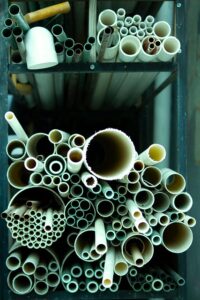
Finding Reliable Emergency Plumbing in Maryville
When seeking emergency plumbing services in Maryville, understand local regulations, prioritize licensed and insured companies with positive reviews and 24/7...
In the heart of Maryville, a bustling city known for its historic charm and modern innovations, lies a critical infrastructure that often goes unnoticed but is essential to daily life—plumbing101. This article delves into the intricacies of plumbing101Maryville, exploring its historical roots, global impact, technological advancements, economic significance, and the challenges it faces. By understanding this cornerstone of urban development, we can appreciate its vital role in shaping communities and advancing industries worldwide.
Plumbing101Maryville refers to the fundamental systems and practices designed to convey water for various purposes, including drinking, sanitation, and industrial applications, while efficiently removing wastewater. Its origins can be traced back to ancient civilizations that recognized the importance of clean water supply and waste management. Over time, these early plumbing systems evolved from simple gravity-driven channels in Roman baths to more sophisticated networks of pipes and fixtures.
In Maryville, as in many cities, the development of a robust plumbing infrastructure has been a gradual process spanning centuries. The city’s early settlers relied on wells and natural water courses for their water needs, but as the population grew, so did the demand for a more efficient and reliable system. By the late 19th century, Maryville had begun to lay the groundwork for modern plumbing, with the installation of water mains and basic sanitation facilities.
Core Components:
Plumbing101Maryville is not merely a local concern but has significant international implications due to globalization and urbanization. Here’s how it plays out globally:
Regional Trends:
| Region | Key Focus | Notable Developments |
|---|---|---|
| North America | Innovation in Pipe Materials | Advancements in plastic and composite pipe materials offer lightweight, durable alternatives, reducing installation costs and environmental impact. |
| Europe | Sustainable Water Management | European cities are embracing smart water systems, leveraging technology for efficient water distribution, consumption monitoring, and leak detection. |
| Asia-Pacific | Rapid Urbanization Challenges | As megacities emerge, plumbing infrastructure must keep pace with dense population growth, requiring innovative solutions for space constraints and limited resources. |
| Latin America | Access to Sanitation | Many countries focus on expanding access to basic sanitation facilities, aiming to meet global health standards by improving plumbing networks in underserved communities. |
The plumbing101 industry is a significant contributor to the global economy, with various sectors interlinked:
Market Dynamics:
Technological innovation has revolutionized plumbing101Maryville, leading to more efficient, durable, and environmentally friendly solutions:
Governing bodies worldwide have implemented policies and regulations to ensure safe and reliable plumbing systems:
Key Frameworks:
Despite its advancements, plumbing101Maryville faces several challenges:
Proposed Solutions:
Singapore’s smart nation initiative includes a comprehensive plumbing infrastructure upgrade. The government has implemented IoT sensors and digital monitoring systems to optimize water distribution. This real-time data enables efficient leak detection, pressure management, and remote control of valves, reducing water losses and improving service response times.
California’s agricultural sector adopted advanced irrigation systems that incorporate soil moisture sensors, weather data, and precision watering techniques. These technologies have led to significant water savings while maintaining high crop yields, showcasing the potential for efficient plumbing practices in agriculture.
Berlin’s city government launched a successful retrofitting program offering financial incentives to homeowners who replace old plumbing with energy-efficient alternatives. The program has led to reduced carbon emissions and improved water conservation, demonstrating community engagement in sustainable infrastructure development.
The future of plumbing101Maryville holds exciting possibilities:
Plumbing101Maryville is more than just pipes and fixtures; it is the silent backbone that sustains communities and fuels economic growth. From its historical roots to its technological advancements, this field has evolved to meet the demands of a changing world. As cities continue to grow and global challenges around water scarcity and sustainability intensify, efficient plumbing systems will remain essential.
By embracing innovation, implementing thoughtful policies, and addressing critical issues, Maryville can lead the way in shaping a future where plumbing infrastructure enhances quality of life, supports sustainable development, and contributes to a greener planet.
Q: What are the primary responsibilities of a plumber?
A: Plumbers install, maintain, and repair water, gas, and waste piping systems in homes, buildings, and industries. They ensure the safe and efficient flow of water for various applications.
Q: How do I know if my plumbing system needs an upgrade?
A: Look out for signs like frequent leaks, low water pressure, or inadequate drainage. Outdated fixtures and pipes may also indicate a need for retrofitting to improve efficiency and reduce waste.
Q: Are there environmental benefits to modern plumbing technology?
A: Absolutely! Advanced technologies like efficient fixtures, smart water meters, and wastewater recycling systems help conserve water resources, reduce energy consumption, and minimize the environmental impact of plumbing operations.
Q: Can plumbing systems be integrated with home automation?
A: Yes, smart plumbing systems can be connected to home automation networks, allowing for remote control of water temperature, flow rates, and leak detection, enhancing convenience and energy efficiency.
Q: What regulations govern plumbing installations in Maryville?
A: Local building codes and health department guidelines regulate plumbing installations in Maryville, ensuring compliance with safety and quality standards. These regulations are typically based on state and national codes, such as the International Plumbing Code (IPC).
When seeking emergency plumbing services in Maryville, understand local regulations, prioritize licensed and insured companies with positive reviews and 24/7...
Plumbers in Maryville specialize in gas line issues, using advanced tools for detection and tailored repairs. They prioritize safety with...


